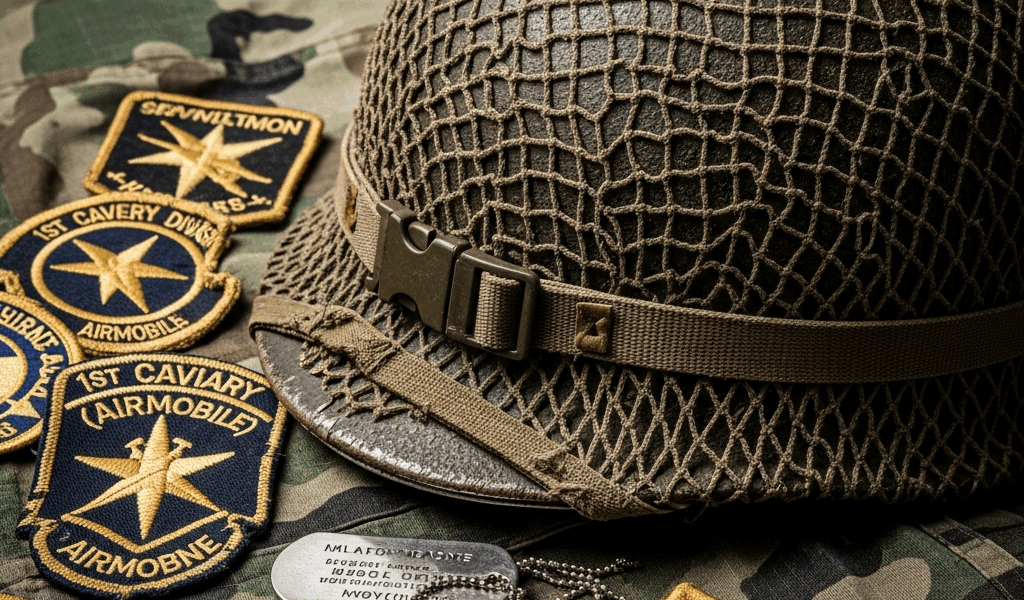
The military memorabilia market has always been driven by history buffs and veterans, but 2026 is seeing some new trends that are reshaping what collectors want and what they’re willing to pay. Here’s what’s happening.
Vietnam-Era Items Are Having a Moment
For years, World War II items dominated the military collectibles market. They still command top dollar, but Vietnam-era memorabilia has seen the sharpest price increases over the past eighteen months. Patrol caps, jungle fatigues with unit patches, Zippo lighters with unit engravings, and personal effects with documented provenance are all moving quickly at auction.
The driving factor is generational. The children and grandchildren of Vietnam veterans are actively seeking items connected to their family’s service. At the same time, the number of Vietnam veterans is declining, which means items that were sitting in closets and attics are entering the market through estate sales. This creates a temporary surge in supply, but the demand is absorbing it faster than expected.
Named items — anything that can be traced to a specific service member — carry significant premiums. A generic M65 field jacket from the Vietnam era might sell for $150-$300. The same jacket with a name tape, documented unit assignment, and photos of the soldier wearing it can bring $1,000 or more.
Cold War Intelligence Artifacts
An emerging niche that few people are talking about is Cold War intelligence memorabilia. Items connected to the CIA, NSA, DIA, and military intelligence units from the 1950s through 1980s have developed a serious collector following. Challenge coins, unit plaques, declassified documents with interesting markings, and agency-issued equipment all attract buyers.
The appeal is partly the mystery factor. Much of this era remains classified or poorly documented, so physical artifacts carry an aura that more straightforward military items don’t. Authentication is challenging, which keeps prices somewhat in check, but verified items from known intelligence operations command strong prices.
Edged Weapons Remain Steady
Military knives and bayonets continue to be one of the most stable categories in the market. A genuine WWII Ka-Bar fighting knife in good condition reliably sells in the $200-$400 range and has for years. The market doesn’t spike or crash — it just slowly appreciates.
What has changed is collector interest in theater-made knives. These are one-of-a-kind blades that soldiers crafted or had made during their service, often in the Pacific Theater during WWII or in Vietnam. Each one is unique, which makes them hard to price but fascinating to collect. A well-documented theater-made knife with a clear story behind it will consistently outperform a standard-issue piece.
What’s Declining
Reproduction items continue to flood online marketplaces, and they’re getting harder to spot. This has created distrust in certain categories, particularly German WWII items, where reproductions have been a problem for decades. Experienced collectors know what to look for, but newer buyers often get burned. If a deal seems too good, it probably is.
Generic medals and ribbons without documentation are also soft. A Purple Heart with the recipient’s name engraved on the back and service records to match is valuable. An unnamed Purple Heart in a box with no provenance is worth melt value plus a modest collector premium at best.
Building a Collection That Holds Value
Focus on three things: provenance, condition, and story. Items that can be connected to a specific person, unit, or event will always outperform generic examples. Condition matters less in military collecting than in some other hobbies — a battle-worn item with character can be worth more than a mint-condition piece that sat in a warehouse — but gross neglect still hurts value.
Buy from reputable dealers and auction houses that guarantee authenticity. Join collector forums and groups where experienced collectors share knowledge freely. The military memorabilia community is genuinely welcoming to newcomers who show respect for the history behind the items they collect.


Stay in the loop
Get the latest military memorabilia market updates delivered to your inbox.