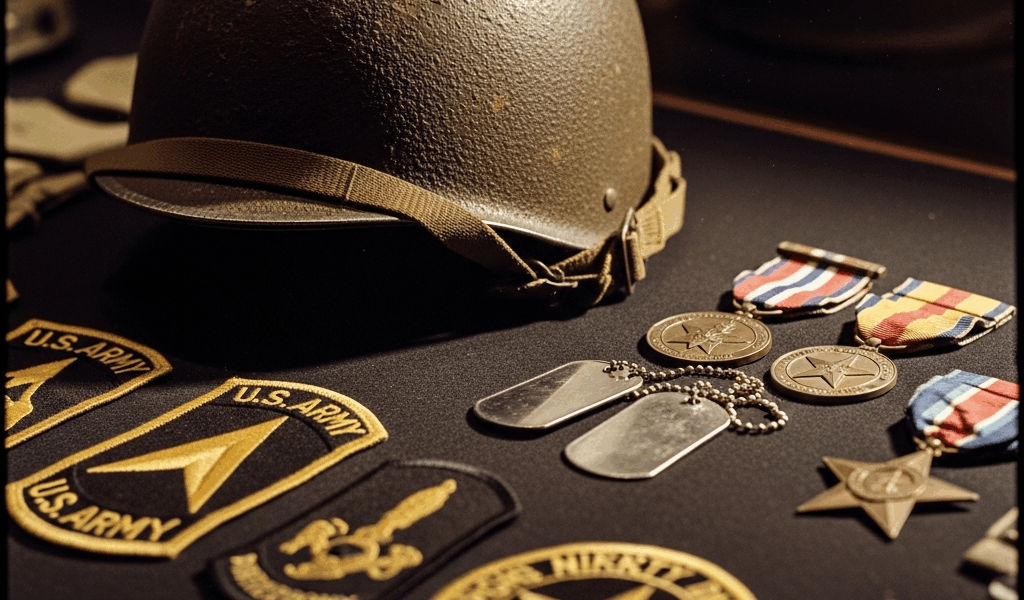
You picked up what the seller called an “original WWII German helmet” at a flea market for $200. It looks old. It has patina. The seller swore it came from a veteran’s estate. There is about a 70% chance it is a reproduction — and if it came with a convincing story but no documentation, those odds go higher.
The reproduction market for WWII military memorabilia has existed since the 1960s. Some fakes are now 60 years old and have their own genuine-looking age. Polish and Czech workshops produce reproductions so accurate that even experienced collectors get fooled without hands-on examination. Here is how to check what you are buying before your money is gone.
The Reproduction Problem — Why Most WWII Items on the Market Are Not Original
The categories with the highest fake rates are the items that command the highest prices: German helmets (M35, M40, M42), German insignia (SS, Waffen-SS), Luger pistols (deactivated), US paratrooper gear (101st Airborne patches and equipment), and named or presentation items with inscriptions.
Categories with lower fake rates: US dog tags (too cheap to justify reproducing), common US M1 helmets without special markings, standard-issue uniforms without special unit patches, and common field gear (canteens, mess kits, web gear). The economics of reproduction favor high-value items — nobody is manufacturing fake GI canteens because the originals sell for $15.
The most important thing I can tell a new collector: assume everything is fake until proven otherwise. This is not cynicism. It is the only mindset that protects your money in a market where reproductions outnumber originals at most selling venues.
The Foundation Check — Markings, Stamps, and Construction
Every authentic WWII item was manufactured in a wartime industrial context. That means specific manufacturer marks, date codes, and acceptance stamps appropriate to the time and place of production.
German helmets: look for stamping on the inside rim — shell lot numbers from specific factories. Liner manufacturer stamps include Quist, Philipp Trauth, and others with known production periods. Heer, Luftwaffe, and SS decals were applied with a water transfer process that has a distinctive appearance under magnification — different from modern paint or print application. Any helmet with decals that look too sharp, too bright, or too perfectly centered should raise immediate suspicion.
US M1 helmets: chinstrap bail type distinguishes early-war from late-war production (fixed bale vs. swivel bail). Liner manufacturer stamps — Westinghouse, Capac, General Plastic Mfg. — correspond to specific production contracts. Heat stamps on the rim interior indicate manufacture date. Any item stamped with dates after 1945 is post-war.
A universal red flag: metric measurements on a US-manufactured item, or inconsistent markings that mix manufacturers from different production periods. Reproduction makers sometimes copy markings from reference books without understanding which marks belong together on the same item.
Material and Construction Tests
Steel items (helmets, mess kits, buckles): authentic wartime steel has a specific weight and magnetic response. Most wartime steel is mildly magnetic — reproduction steel is often strongly magnetic because modern steel alloys differ from wartime production. The patina on 80-year-old steel is uniform oxidation with a surface texture that develops over decades. Reproduction patina is applied with chemicals (vinegar, bleach, muriatic acid) and often looks artificially uniform or splotchy in a way that natural aging does not produce.
Leather items (holsters, belts, straps): wartime leather was natural-tanned hide with a specific grain, flexibility, and smell. Authentic 80-year-old leather is dry but supple if it was stored properly. Reproduction leather often smells of modern tanning chemicals and has too-perfect grain consistency. Under magnification, natural wartime leather shows irregular grain patterns that modern machine-processed hides do not replicate.
Wool uniforms: wartime wool is coarser and less uniform than modern reproduction fabric. Check the weave under a loupe or magnifying glass. Period fabric has irregularities in the weave that modern mill production eliminates. Buttons are another tell — wartime buttons have specific manufacturer marks and construction methods that reproductions rarely get exactly right.
Provenance and Documentation
For items over $200, provenance is the most important authentication factor. Authentic provenance includes: period photographs showing the item in use, veteran family documentation (discharge papers, unit records), and documented chain of custody from the original owner through each subsequent sale.
The biggest red flag in the market: items that “recently surfaced from an attic in Eastern Europe.” This is the most common cover story attached to high-quality reproductions from Polish and Czech workshops. It sounds plausible — there were massive battles on the Eastern Front, and items do occasionally surface from genuine estate finds. But the story has been so thoroughly co-opted by reproduction sellers that it should trigger maximum skepticism rather than excitement.
Items in perfect condition with no provenance documentation are suspect regardless of how convincing they look. WWII items were used in a war. They were carried, dropped, scratched, stored in duffel bags, and handed down through families. Perfect condition items without a documented reason for their preservation (museum deaccession, sealed storage, etc.) deserve extra scrutiny.
Getting Expert Authentication
For high-value items ($200+), professional authentication is worth the cost — and always less expensive than buying a convincing fake.
Rock Island Auction Company authenticates items as part of the consignment process, which is free if you are selling through them. Even if you are not selling, their specialists are among the most experienced in the US market.
Hermann Historica is the premier auction house for German militaria and authenticates items submitted for sale. Their expertise on German items specifically is unmatched.
Online communities: the Wehrmacht-Awards forum has experienced collectors who will review photographs and offer opinions for free. Their community consensus is a good starting point before spending money on paid authentication. Post clear photos of markings, construction details, and any provenance documentation you have.
The cost of authentication runs $50–200 depending on the item and the expert. Compare that to the cost of a convincing fake at $200–2,000. Authentication is the cheapest insurance in this hobby.

Stay in the loop
Get the latest military memorabilia market updates delivered to your inbox.