Military gear terminology has gotten complicated with all the brand names and tactical jargon flying around. As someone who’s spent time around military surplus and talked to plenty of veterans about their equipment, I learned everything there is to know about what soldiers actually carry on their backs — and that starts with understanding the humble rucksack.
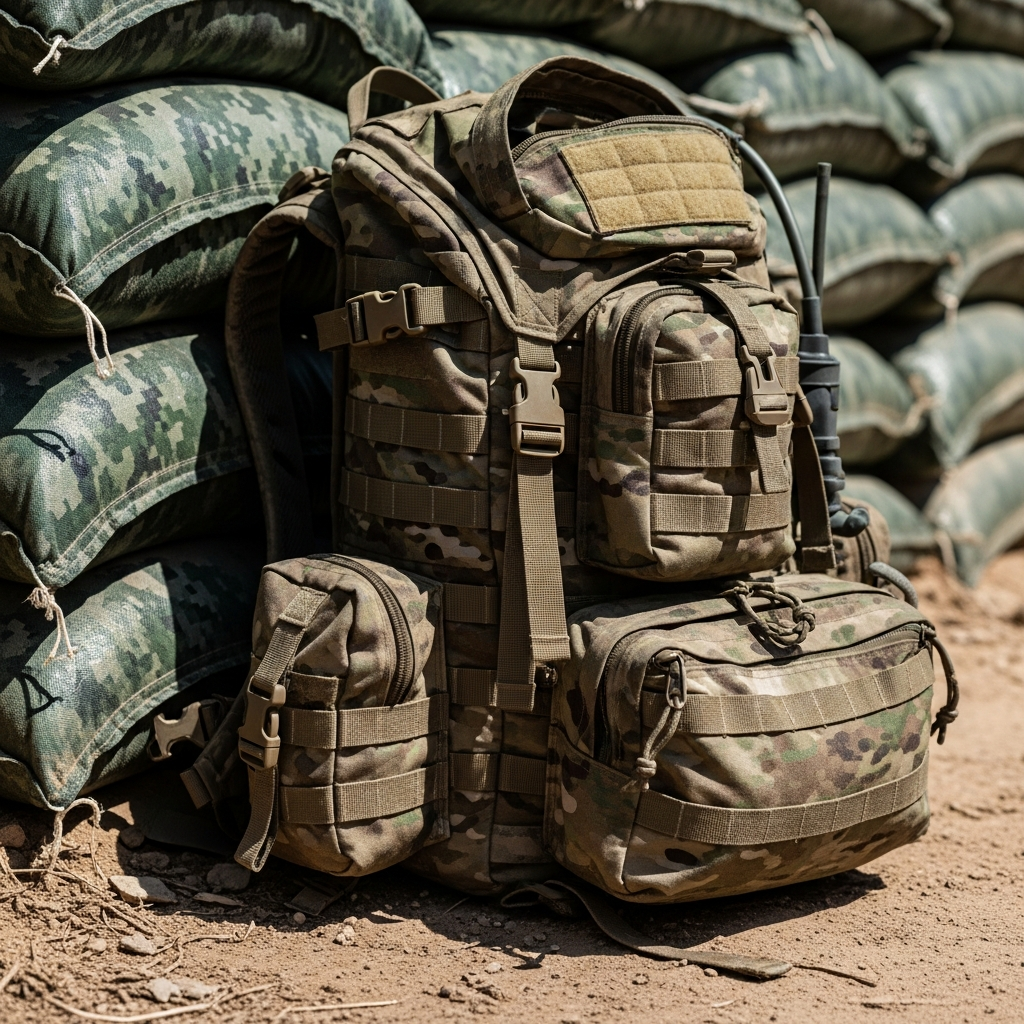
The word “rucksack” comes from German — “Rucken” means “back” and “Sack” means “bag.” Pretty literal, right? But don’t let the simple name fool you. A military rucksack is a completely different beast from the backpack you’d take on a day hike. These things are built to haul serious weight across brutal terrain, in all weather conditions, for extended periods. We’re talking food, water, shelter, ammunition, clothing, and whatever else a soldier needs to survive and fight. I’ve tried on a loaded military ruck once at a surplus store, and after about five minutes I had a whole new appreciation for what these soldiers endure daily.
Probably should have led with this section, honestly — the history of these packs goes back well over a century. Military rucksacks from the early 1900s were pretty basic affairs: canvas, leather straps, and not much thought given to comfort. As the decades passed and materials science advanced, the designs got dramatically better. Modern rucks have padded shoulder straps, adjustable internal frames, load-bearing hip belts, and multiple compartments that would make any organized person happy.
If you’ve ever heard someone mention the ALICE pack, that was the standard-issue U.S. Army ruck from 1973 through the 1990s. ALICE stands for “All-Purpose Lightweight Individual Carrying Equipment,” which is a mouthful but pretty accurate. These things were workhorses — simple, rugged, and they could take a beating in any environment from jungle to desert. I’ve seen vintage ALICE packs at militaria shows, and the surviving ones are testament to how well-built they were.
That’s what makes the evolution to the MOLLE system endearing to us gear enthusiasts. MOLLE — Modular Lightweight Load-carrying Equipment — came along in the late 1990s and basically revolutionized how soldiers configure their kit. Instead of one fixed layout, MOLLE packs let soldiers attach and detach pouches, holsters, and accessories based on their specific mission. Need more ammo pouches? Clip them on. Going on a longer patrol? Add a hydration bladder. It’s a Lego-like system for tactical gear, and it’s still the standard today.
Despite all the technological improvements, the fundamental purpose hasn’t changed one bit. A rucksack needs to let a soldier carry their essential equipment while still being able to move, fight, and survive. Every design decision — from strap placement to weight distribution to material choice — comes back to that core mission. The army even builds training around it. “Rucking” — marching with a loaded pack — is one of the most basic and frequently practiced exercises in military training. It builds endurance, mental toughness, and gives soldiers a realistic sense of what field conditions actually feel like.
The rucksack isn’t just a piece of equipment — it’s woven into military culture itself. Ask any veteran about their ruck and you’ll likely get stories that range from hilarious to harrowing. It’s the one piece of gear that goes everywhere a soldier goes, and it’s evolved alongside the military for over a century. As technology keeps advancing, you can bet the army’s pack will keep evolving too — but it’ll always be about one thing: making sure soldiers can carry what they need to get the job done.

Leave a Reply